
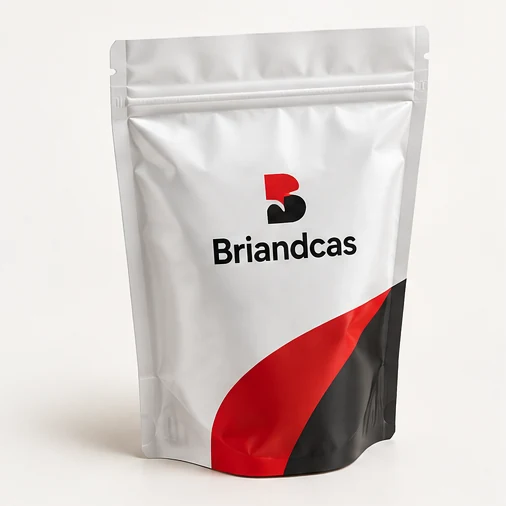
Stand-up pouch
A broad front face and expandable base help the filled pouch stand on shelf.
See structure ↗A practical, illustrated guide to packaging formats, materials, construction and print preparation. Learn how common packs are built, where they are used, what their trade-offs can be, and what to confirm before a design goes into production.
Showing all guides.
Start with these photorealistic Briandcas concept mock-ups to understand the overall shape and shelf appearance. Then open the technical guide to explore gussets, seals, panels, closures and material construction in detail.
A broad front face and expandable base help the filled pouch stand on shelf.
See structure ↗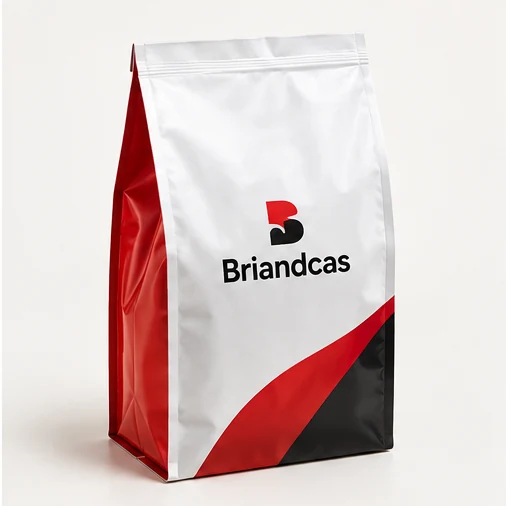
A box-like base and side panels create a more structured presentation.
See structure ↗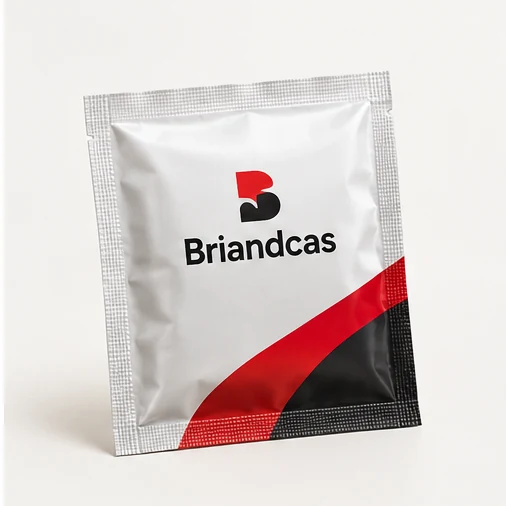
A compact format for controlled portions, samples and single-use packs.
See structure ↗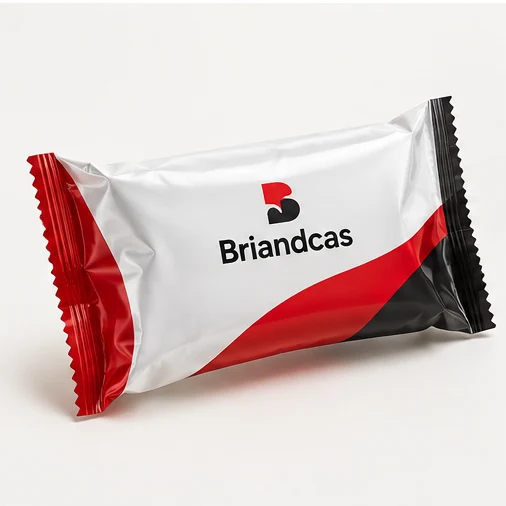
A pillow-shaped pack formed from a continuous web and sealed at the ends.
See structure ↗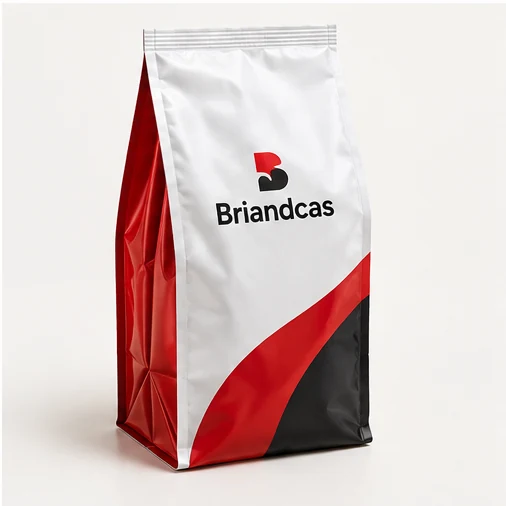
Folded side panels expand to provide capacity for selected dry products.
See structure ↗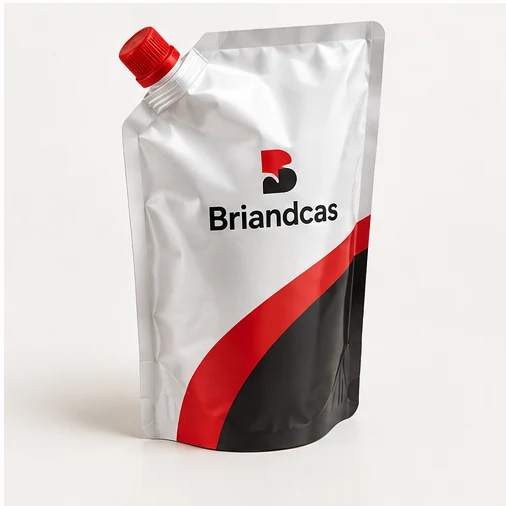
A flexible body with a fitment for controlled dispensing of suitable products.
See structure ↗Important: These are concept mock-ups to make format recognition easier, not photos of production-approved Briandcas products. Real pouch dimensions, materials, closures, barrier properties and artwork zones vary by converter and product specification.
Start with a format, compare materials, or learn how packaging artwork moves from design to production. These diagrams are original explanatory illustrations—not production-ready dielines.
A stand-up pouch uses a formed bottom gusset that opens into a base, helping the filled pack stand upright on a shelf.
Explore this guideA flat-bottom pouch combines a broad base with side and back folds to create a box-like profile and a relatively stable shelf presentation.
Explore this guideA three-side-seal pouch is formed by sealing three edges around a flat web or two film panels, leaving one edge available for filling before final sealing.
Explore this guidePillow packs are formed from a continuous film web with a longitudinal fin or lap seal and end seals. Flow wrap is a common high-speed format for individual products.
Explore this guideSide-gusset pouches have expandable folds at the left and right sides, allowing the pack to gain volume while maintaining a familiar bag profile.
Explore this guideA spouted pouch is a flexible pack fitted with a rigid or semi-rigid fitment for controlled pouring or dispensing.
Explore this guideMaize flour packaging can range from small retail bags to larger multiwall sacks. The best structure depends on pack weight, filling method, distribution and moisture exposure.
Explore this guideMultiwall sacks use multiple paper plies, sometimes with an added barrier layer or liner, to balance strength, filling performance and product protection.
Explore this guideFolding cartons are cut and creased from paperboard blanks, then folded and glued into a three-dimensional pack.
Explore this guidePackaging performance comes from the complete structure and how it is converted, sealed, filled, stored and distributed—not from one material name alone.
Explore this guidePackaging artwork translates the approved design into a production file that matches the converter’s dieline, printing process and finishing requirements.
Explore this guidePackaging selection starts with the product, the filling process and the journey to the customer—not simply the shape of a reference pack.
Explore this guideUnderstand web width, repeat length, unwind direction, registration marks and sealant-side requirements for automated packing.
Explore this guideExplore corner seals, gussets, base geometry and how a structured filled pack differs from simpler pouch formats.
Explore this guideLearn why these are distinct applications and why processing conditions, product compatibility and seals need specialist validation.
Explore this guideCompare carrying, wrapping and presentation formats, with notes on paper grades, seams, folds and functional coatings.
Explore this guideUnderstand linerboards, fluting, box styles, pack-out planning and the relationship between carton design and distribution performance.
Explore this guideTechnical note: structures shown here are common examples only. Actual performance depends on the complete material specification, thickness, conversion process, seals, product compatibility and testing. Confirm requirements with your packaging converter and relevant regulatory specialists.
Answer four short questions to get a beginner-friendly shortlist of guides. You do not need to know packaging terminology yet. The result is a starting point for discussion—not a certified material recommendation.
Choose the closest answers and we will suggest relevant guides, plus the key questions to confirm with a converter.
This high-level comparison helps frame a conversation. Final selection depends on the specific product, pack size, filling line, distribution conditions and supplier validation.
| Format family | Common strengths | Questions to resolve early | Read next |
|---|---|---|---|
| Stand-up pouch | Broad display panel, lightweight pack, optional reclosure | Base stability, barrier target, zipper and filling method | Stand-up pouches ↗ |
| Sachet / three-side seal | Compact portion packs, simple form, high-volume potential | Repeat length, seal integrity, opening and small-text legibility | Sachets ↗ |
| Flow wrap | Individual wrapping and continuous high-speed packing | Web width, fin seal, end seals, registration and cut pitch | Flow wrap ↗ |
| Paper / multiwall sack | Load-carrying configurations and broad print panels | Moisture exposure, ply structure, closure, stacking and filling line | Paper sacks ↗ |
| Folding carton | Retail presentation, organisation and a defined three-dimensional form | Board grade, grain direction, product fit, crease and glue zones | Folding cartons ↗ |
| Spouted pouch | Controlled dispensing for suitable liquids, gels and pastes | Product compatibility, fitment, leakage and filling sequence | Spouted pouches ↗ |
This comparison is educational, not a price list, material specification or performance guarantee. Ask suppliers to support recommendations with the relevant technical data and validation.
Answer a few practical questions about your product, pack format, filling process and design needs. Generate a draft you can copy or download before speaking with Briandcas or your packaging converter.
Packaging choices are easier to discuss when the product, process and required protection are understood before artwork begins.
Identify the product, fill weight, storage conditions, distribution journey and how the customer will use the pack.
Compare the shape, closure, material roles, print surface and practical limitations of each format.
Get the supplier-approved construction and dieline, then prepare artwork to the actual production requirements.
Share your product, target pack size, filling method and any supplier specification. Briandcas can help you scope the design and artwork-preparation requirements.