
Folding carton
A printed paperboard pack designed for retail presentation.
A folding carton starts as a printed paperboard sheet, then is cut, creased, folded and usually glued. It is often chosen when product presentation and clear printed information matter. The example below is a concept visual; the correct board grade and closure depend on the product and packing process.
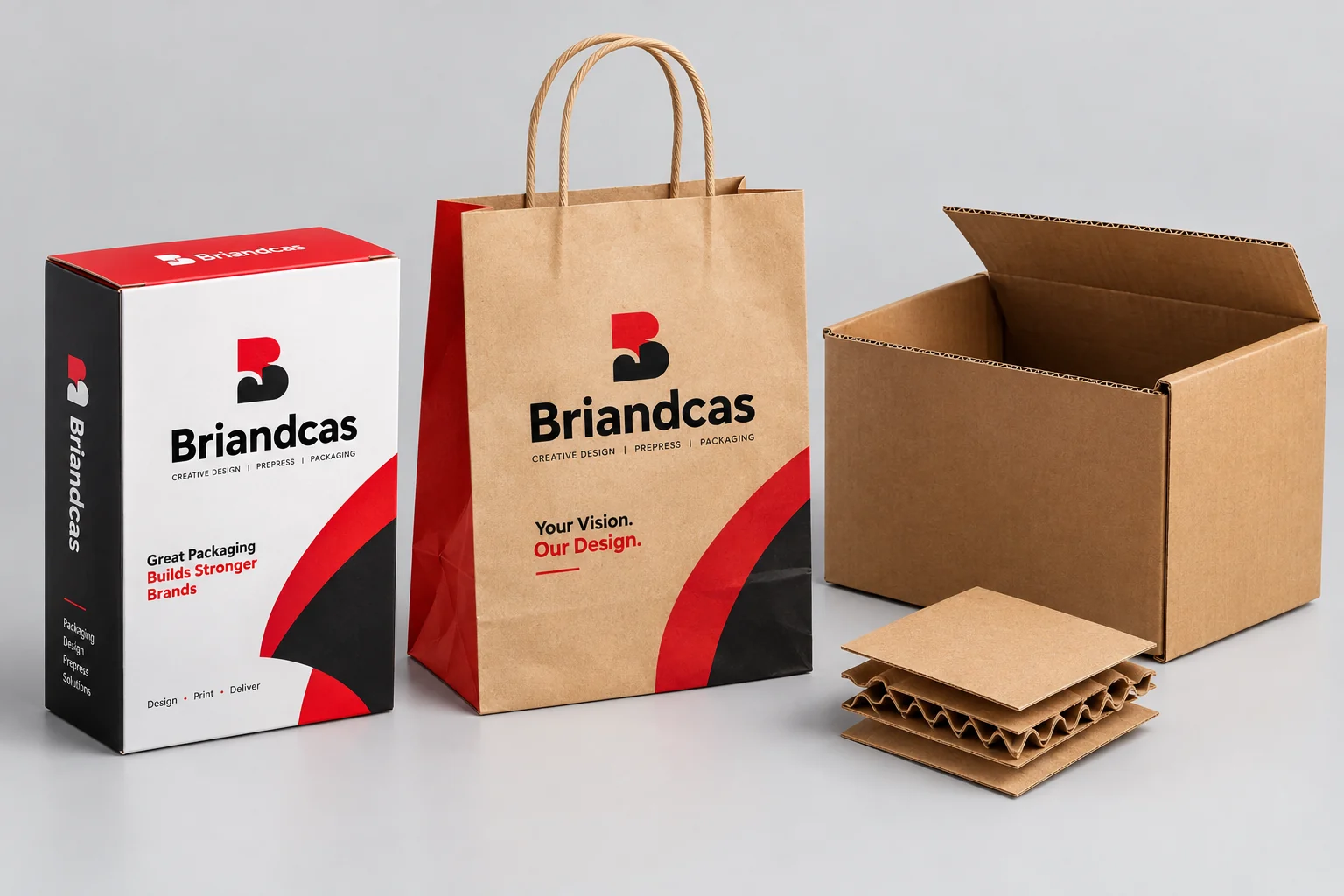
A printed paperboard pack designed for retail presentation.
A carry format shaped by paper grade, handles, seams and intended load.
Cut, creased and folded paperboard structures that protect, organise and present products. A folding carton starts as a flat printed blank that is cut, creased, folded and glued into a three-dimensional pack. Board grade, grain direction, coating, closure style and product weight affect how it performs. A carton is not automatically a shipping box; corrugated transport packaging is a different structure.
Schematic only; not to scale. Final material construction, dimensions, seals, closures and print zones must come from the selected packaging converter.
A folding carton starts as a flat printed blank that is cut, creased, folded and glued into a three-dimensional pack. Board grade, grain direction, coating, closure style and product weight affect how it performs. A carton is not automatically a shipping box; corrugated transport packaging is a different structure.
Common component roles are described below for learning. They are not a recommended bill of materials for every product or supplier.
| Component / layer | Typical role and specification questions |
|---|---|
| Print and coating | Ink and optional coating/lamination create the appearance and surface performance. |
| Paperboard substrate | Provides stiffness and shape retention; grade and thickness must suit the pack. |
| Optional functional layer | A window film, grease barrier or other layer may be used for a specific requirement and should be assessed for compatibility and recovery implications. |
Retail product cartons, cosmetics, personal care, small electronics, food secondary packs, sleeves, gift sets and product kits.
Large printable area; strong shelf organisation; convenient flat shipping before erection; many closure and structural options.
Can crush or distort if board grade is under-specified; moisture can weaken board; crease cracking and glue-flap interference can affect appearance and assembly.
Define the product’s sensitivity to moisture, oxygen, light, aroma, contamination, impact or leakage where relevant.
Confirm filling equipment, speed, sealing method, machine compatibility, pack orientation and expected production volume.
Consider transport, stacking, shelf presentation, opening, carrying, reclosure and local end-of-life realities.
Keep artwork separate from the structural dieline. Use clearly named layers for artwork, cut, crease, perforation and non-print annotations according to the supplier’s workflow. Check grain direction and fold cracking with the printer.
It can help explain the concept, but production artwork must use the manufacturer’s exact dieline.
Board folds and stiffness behave differently with grain orientation; the converter should specify the appropriate direction.
No. Folding cartons commonly use solid paperboard; corrugated board uses fluted layers between linerboards for added cushioning and stacking strength.
This guide is educational and is not a substitute for packaging engineering, product testing, food-contact review or current regulatory advice. Confirm applicable Kenyan and destination-market requirements with the responsible product owner and qualified specialists.
Share the product, target pack size, filling method, reference images and converter specification. Briandcas can help scope the design and prepress requirements.