
Folding carton
Thin, solid paperboard suited to many retail packs.
Corrugated board uses a fluted paper layer bonded between flat liner sheets. This structure creates thickness and can help with stacking and transport protection. Box performance still depends on board grade, dimensions, load, humidity and distribution conditions.
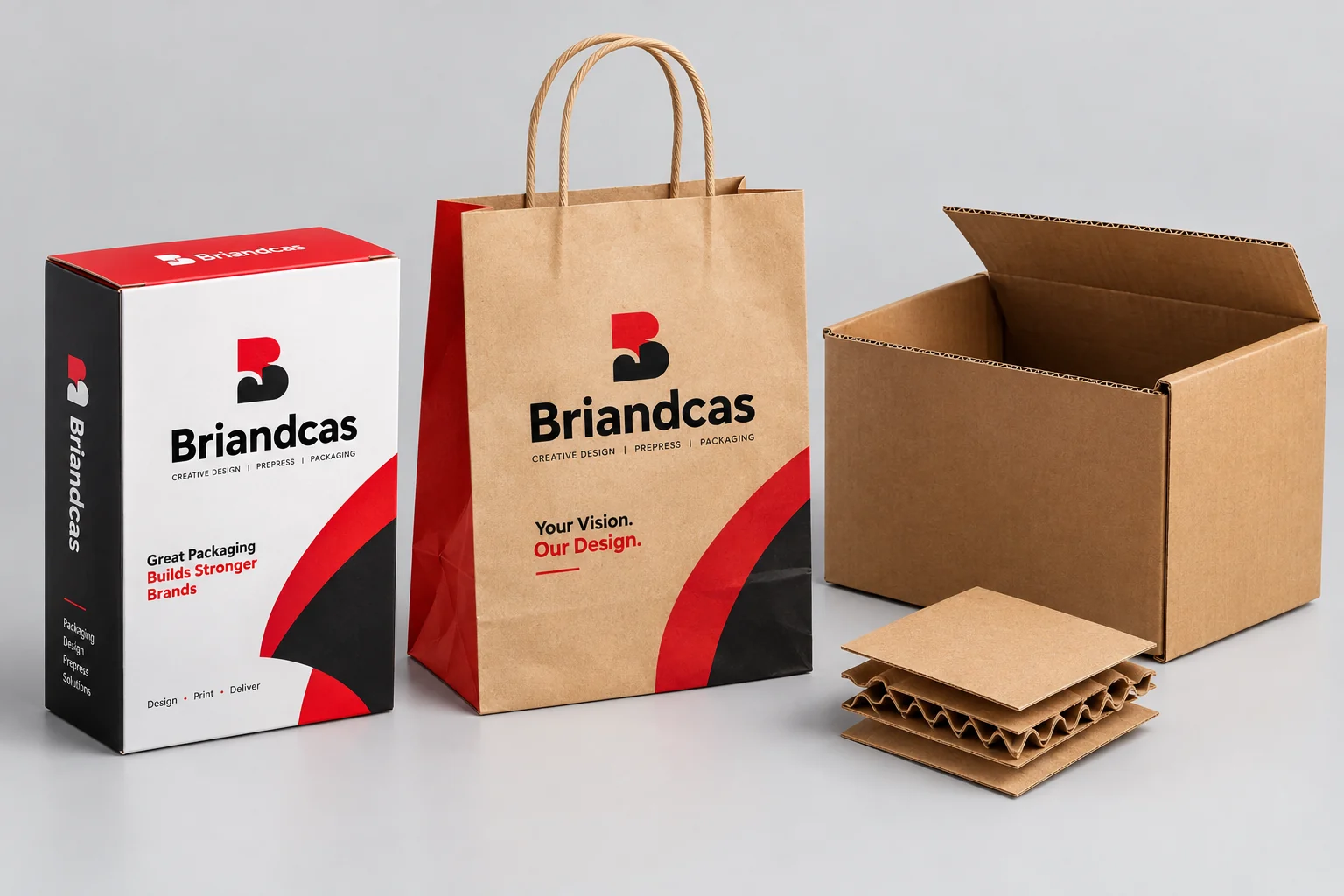
Thin, solid paperboard suited to many retail packs.
Fluted construction intended for protective transit and handling.
Fluted paperboard structures designed to protect, group and transport products through storage and distribution. Corrugated packaging combines one or more fluted paper layers with linerboards. The flute profile, board grade, box style, joint, closure and print method influence cushioning and stacking. A shipping carton should be designed around the product, pack-out pattern and distribution hazards—not selected by external size alone.
Schematic only; not to scale. Final material construction, dimensions, seals, closures and print zones must come from the selected packaging converter.
Corrugated packaging combines one or more fluted paper layers with linerboards. The flute profile, board grade, box style, joint, closure and print method influence cushioning and stacking. A shipping carton should be designed around the product, pack-out pattern and distribution hazards—not selected by external size alone.
Common component roles are described below for learning. They are not a recommended bill of materials for every product or supplier.
| Component / layer | Typical role and specification questions |
|---|---|
| Outer liner | Print surface and external handling layer. |
| Fluting / medium | Provides structure and contributes to cushioning and compression performance. |
| Inner liner | Forms the inside surface and supports the assembled board. |
| Optional coatings / liners | Used for specific conditions only; can affect print, performance and recovery options. |
Outer cases for retail packs, e-commerce shipping, food distribution, grouped products and transit protection.
Can be designed for stacking and cushioning; ships flat before assembly; offers printable outer surfaces and multiple box styles.
Moisture can weaken corrugated board; excessive void space increases movement; performance depends on board grade, box design, pack-out and handling.
Define the product’s sensitivity to moisture, oxygen, light, aroma, contamination, impact or leakage where relevant.
Confirm filling equipment, speed, sealing method, machine compatibility, pack orientation and expected production volume.
Consider transport, stacking, shelf presentation, opening, carrying, reclosure and local end-of-life realities.
Shipping graphics must remain legible after assembly and handling. Keep critical marks away from flaps, joints and tape paths. Confirm whether the print is flexographic, digital, litho-laminated or another process.
Not necessarily. Board grade, flute, box design, load, humidity and distribution conditions all influence performance.
Use a generic template only for concept work. Production requires the box maker’s current dieline.
Ask the supplier for the verified board specification and evidence for any environmental claim; do not infer it from appearance.
This guide is educational and is not a substitute for packaging engineering, product testing, food-contact review or current regulatory advice. Confirm applicable Kenyan and destination-market requirements with the responsible product owner and qualified specialists.
Share the product, target pack size, filling method, reference images and converter specification. Briandcas can help scope the design and prepress requirements.